Traffic signals in North Carolina
The North Carolina Driver Handbook shows or names everything on this page: 32 in all, on pages 47, 80–82.
Independent educational site · not affiliated with any government agency or DMV
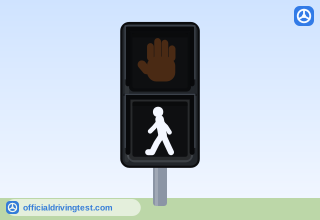
WALK / DON'T WALK pedestrian signal
At some intersections, special signals instruct pedestrians either to “Walk” or “Don’t Walk”. When these signals are operating, pedestrians must obey them rather than regular traffic signals.
Manual page 47 · Open this page in the manual (Manual page 47)
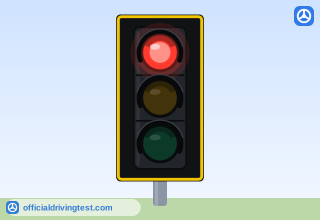
Steady red
A steady red circular signal means “STOP.” Unless there is a sign indicating “NO TURN ON RED,” a right turn can be made after coming to a complete stop.
Manual page 80 · Open this page in the manual (Manual page 80)
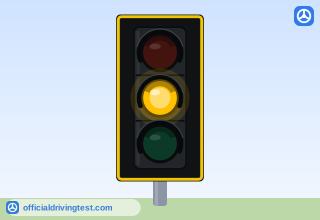
Steady yellow
A circular yellow signal means “caution” and indicates that the signal is about to turn red. Stop for a yellow signal unless you are too close to the intersection to stop safely — in that case, drive cautiously through the intersection. Never speed up for a yellow signal to “beat” the red signal.
Manual page 80 · Open this page in the manual (Manual page 80)
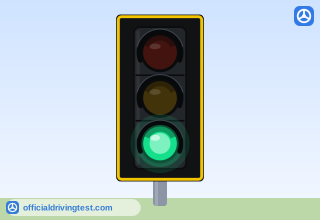
Steady green
A circular green signal means you are permitted to proceed cautiously straight through or make a turn. Turning vehicles must yield the right of way to oncoming traffic and pedestrians.
Manual page 80 · Open this page in the manual (Manual page 80)
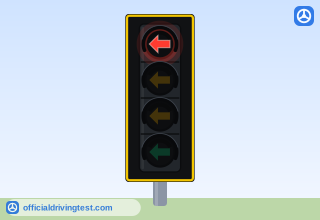
Red arrow
A red arrow means turning traffic must stop.
Manual page 80 · Open this page in the manual (Manual page 80)
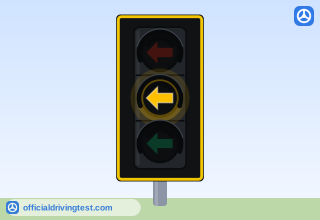
Yellow arrow
A yellow arrow indicates that the “protected” green arrow signal is about to turn to a regular circular green signal, circular red signal or red arrow signal.
Manual page 80 · Open this page in the manual (Manual page 80)
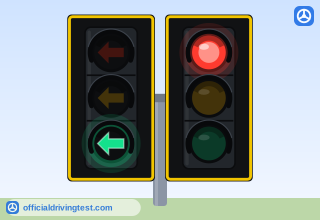
Green arrow
A green arrow means that you have a “protected” movement and are permitted to cautiously enter the intersection to make the movement indicated by the arrow. U-turning traffic should yield to opposing right turning traffic when both movements simultaneously have their respective green arrow.
Manual page 80 · Open this page in the manual (Manual page 80)
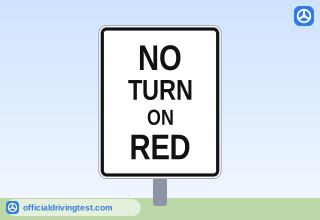
NO TURN ON RED
Unless there is a sign indicating “NO TURN ON RED,” a right turn can be made after coming to a complete stop.
Manual page 80 · Open this page in the manual (Manual page 80)
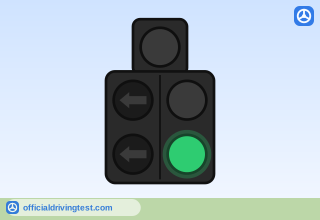
Five-section signal: green ball
Some traffic signals have a combination of “protected” turn arrow signals and “unprotected” circular signals based on traffic demand. At these intersections, both through traffic and turning traffic are controlled by circular signals if no arrow signal is displayed. When arrow and circular signals are both displayed, turning traffic is controlled by the arrow signals and through traffic is controlled by the circular signals.
Manual page 81 · Open this page in the manual (Manual page 81)
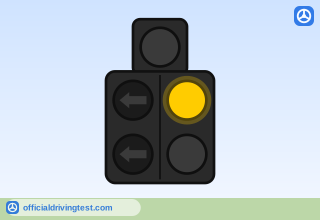
Five-section signal: yellow ball
Some traffic signals have a combination of “protected” turn arrow signals and “unprotected” circular signals based on traffic demand. At these intersections, both through traffic and turning traffic are controlled by circular signals if no arrow signal is displayed. When arrow and circular signals are both displayed, turning traffic is controlled by the arrow signals and through traffic is controlled by the circular signals.
Manual page 81 · Open this page in the manual (Manual page 81)
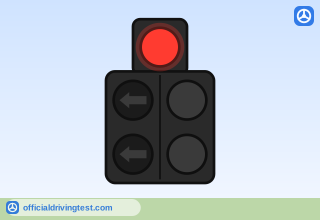
Five-section signal: red ball
Some traffic signals have a combination of “protected” turn arrow signals and “unprotected” circular signals based on traffic demand. At these intersections, both through traffic and turning traffic are controlled by circular signals if no arrow signal is displayed. When arrow and circular signals are both displayed, turning traffic is controlled by the arrow signals and through traffic is controlled by the circular signals.
Manual page 81 · Open this page in the manual (Manual page 81)
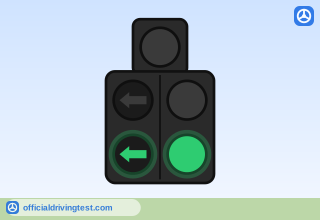
Five-section signal: green arrow and green ball
Some traffic signals have a combination of “protected” turn arrow signals and “unprotected” circular signals based on traffic demand. At these intersections, both through traffic and turning traffic are controlled by circular signals if no arrow signal is displayed. When arrow and circular signals are both displayed, turning traffic is controlled by the arrow signals and through traffic is controlled by the circular signals.
Manual page 81 · Open this page in the manual (Manual page 81)
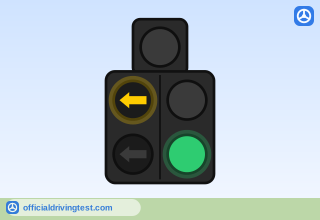
Five-section signal: yellow arrow and green ball
Some traffic signals have a combination of “protected” turn arrow signals and “unprotected” circular signals based on traffic demand. At these intersections, both through traffic and turning traffic are controlled by circular signals if no arrow signal is displayed. When arrow and circular signals are both displayed, turning traffic is controlled by the arrow signals and through traffic is controlled by the circular signals.
Manual page 81 · Open this page in the manual (Manual page 81)
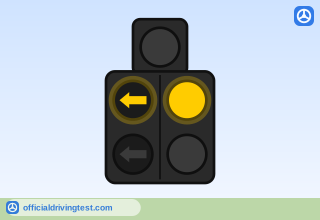
Five-section signal: yellow arrow and yellow ball
Some traffic signals have a combination of “protected” turn arrow signals and “unprotected” circular signals based on traffic demand. At these intersections, both through traffic and turning traffic are controlled by circular signals if no arrow signal is displayed. When arrow and circular signals are both displayed, turning traffic is controlled by the arrow signals and through traffic is controlled by the circular signals.
Manual page 81 · Open this page in the manual (Manual page 81)
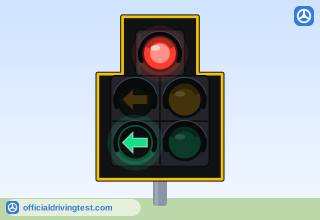
Five-section signal: red ball and green arrow
Some traffic signals have a combination of “protected” turn arrow signals and “unprotected” circular signals based on traffic demand. At these intersections, both through traffic and turning traffic are controlled by circular signals if no arrow signal is displayed. When arrow and circular signals are both displayed, turning traffic is controlled by the arrow signals and through traffic is controlled by the circular signals.
Manual page 81 · Open this page in the manual (Manual page 81)
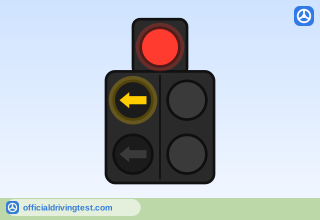
Five-section signal: red ball and yellow arrow
Some traffic signals have a combination of “protected” turn arrow signals and “unprotected” circular signals based on traffic demand. At these intersections, both through traffic and turning traffic are controlled by circular signals if no arrow signal is displayed. When arrow and circular signals are both displayed, turning traffic is controlled by the arrow signals and through traffic is controlled by the circular signals.
Manual page 81 · Open this page in the manual (Manual page 81)
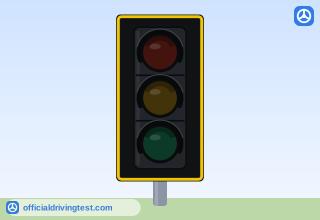
Dark or malfunctioning signal
When approaching an intersection with a traffic light that has malfunctioned due to a power outage or some other problem, you should approach the intersection and proceed as though the intersection is controlled by a stop sign on all approaches to the intersection.
Manual page 81 · Open this page in the manual (Manual page 81)
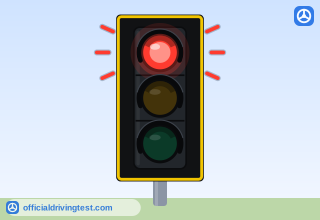
Flashing red
The flashing red signal has the same meaning as the stop sign: stop and do not proceed to move until you can enter the intersection without interfering with approaching traffic.
Manual page 81 · Open this page in the manual (Manual page 81)
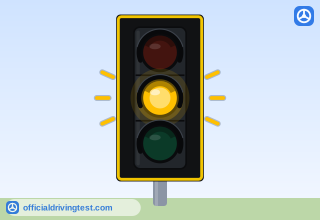
Flashing yellow
The flashing yellow signal has the same meaning as a warning sign. Slow down and proceed with caution.
Manual page 81 · Open this page in the manual (Manual page 81)
Solid red arrow
Solid Red Arrow: Stop. No turns are allowed.
Manual page 81 · Open this page in the manual (Manual page 81)
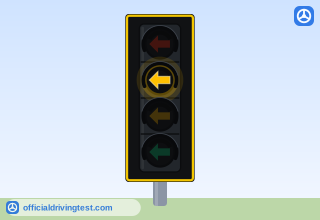
Solid yellow arrow
Solid Yellow Arrow: Prepare to stop.
Manual page 81 · Open this page in the manual (Manual page 81)
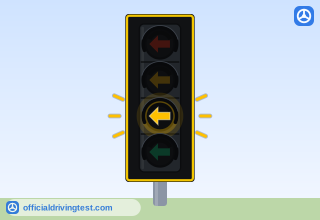
Flashing yellow arrow
Flashing Yellow Arrow: Turns are allowed, but first they must yield to oncoming traffic and pedestrians.
Manual page 81 · Open this page in the manual (Manual page 81)
Solid green arrow
Solid Green Arrow: Turns are allowed, and they should not need to yield to oncoming traffic and pedestrians. Proceed with caution. U-turning traffic should yield to opposing right turning traffic when both have green arrow.
Manual page 81 · Open this page in the manual (Manual page 81)
Steady red (single lens)
Steady Red – Stop and wait for green
Manual page 82 · Open this page in the manual (Manual page 82)
Steady green (single lens)
Steady Green – Proceed down ramp and merge onto freeway
Manual page 82 · Open this page in the manual (Manual page 82)
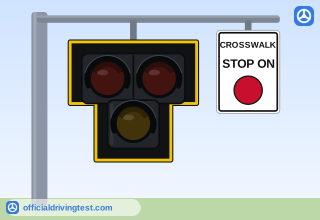
Hybrid beacon 1: dark until activated
The beacons remain dark until activated by pedestrians or emergency response personnel.
Manual page 82 · Open this page in the manual (Manual page 82)
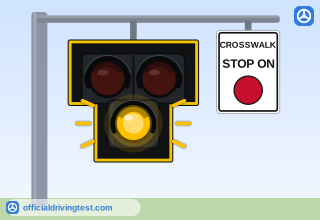
Hybrid beacon 2: flashing yellow
Once activated, the beacons will flash yellow for a few seconds,
Manual page 82 · Open this page in the manual (Manual page 82)
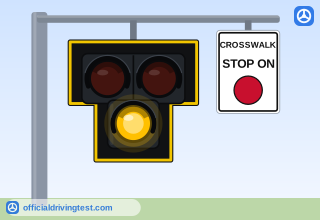
Hybrid beacon 3: steady yellow
then go steady yellow and steady red for a few more seconds to allow moving vehicles to safely stop.
Manual page 82 · Open this page in the manual (Manual page 82)
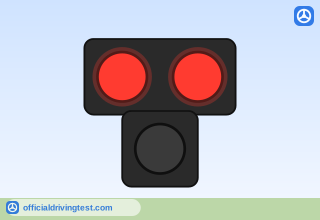
Hybrid beacon 4A: steady red (before walk interval)
then go steady yellow and steady red for a few more seconds to allow moving vehicles to safely stop.
Manual page 82 · Open this page in the manual (Manual page 82)
Hybrid beacon 4B: steady red (during walk interval)
Once vehicles have stopped, the beacons will remain steady red while pedestrians begin crossing or the emergency response vehicles begin exiting their facility.
Manual page 82 · Open this page in the manual (Manual page 82)
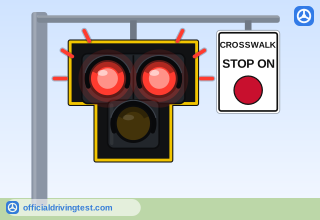
Hybrid beacon 5: alternating flashing red
After several seconds, the beacons will begin flashing red, during which time vehicles are to remain stopped until the pedestrians or emergency response vehicles have cleared the intersection. After the pedestrians or emergency response vehicles have cleared the intersection, and after first coming to a complete stop, vehicles may begin moving while the beacons are flashing red.
Manual page 82 · Open this page in the manual (Manual page 82)
Hybrid beacon 6: dark again
The manual does not state it
Manual page 82 · Open this page in the manual (Manual page 82)