Work zone signs in South Carolina
The South Carolina Driver's Manual shows or names everything on this page: 17 in all, on pages 6-8 – 6-9, 7-17, 11-3 – 11-4.
Independent educational site · not affiliated with any government agency or DMV
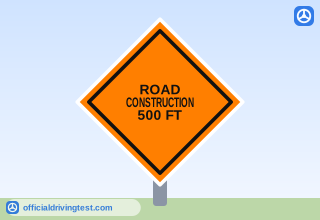
ROAD CONSTRUCTION 500 FT
Road Construction Ahead
Manual page 6-8 · Open this page in the manual (Manual page 6-8)
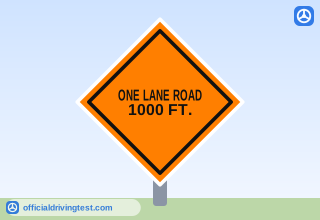
ONE LANE ROAD 1000 FT.
One Lane Road Ahead
Manual page 6-8 · Open this page in the manual (Manual page 6-8)
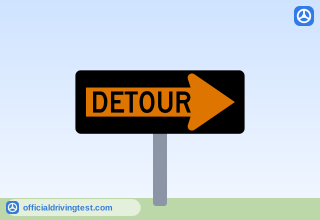
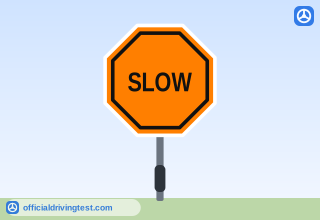
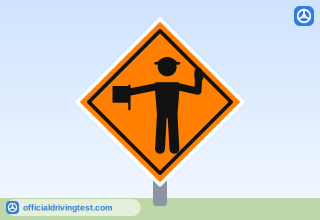
SLOW
In work zones, traffic may be controlled by a person with a sign or flag to tell you which direction to travel or to slow down or stop. You must follow their instructions.
Manual page 6-8 · Open this page in the manual (Manual page 6-8)
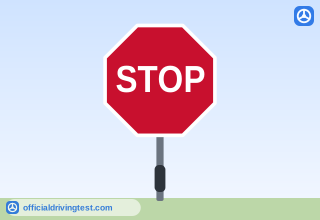
STOP
In work zones, traffic may be controlled by a person with a sign or flag to tell you which direction to travel or to slow down or stop. You must follow their instructions.
Manual page 6-8 · Open this page in the manual (Manual page 6-8)
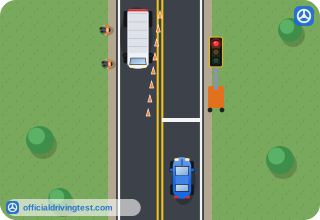
Temporary Traffic Signal
Temporary traffic signals may be used in work zones. You may see a warning sign showing a symbol of a traffic signal. Stop at the white line, if it is present.
Manual page 6-8 · Open this page in the manual (Manual page 6-8)
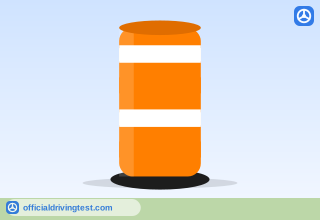
Barrel (Drum)
Barrel. Barriers such as drums, cones, and tubes (panels), are used to keep traffic out of hazardous work zones. Along with signs and road markings, they help guide you safely through a work zone.
Manual page 6-9 · Open this page in the manual (Manual page 6-9)
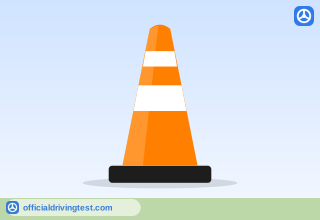
Cone
Cone. Barriers such as drums, cones, and tubes (panels), are used to keep traffic out of hazardous work zones. Along with signs and road markings, they help guide you safely through a work zone.
Manual page 6-9 · Open this page in the manual (Manual page 6-9)
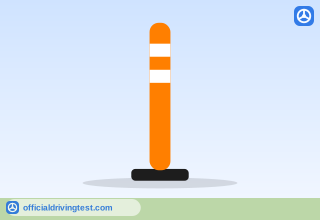
Tube
Tube. Barriers such as drums, cones, and tubes (panels), are used to keep traffic out of hazardous work zones. Along with signs and road markings, they help guide you safely through a work zone.
Manual page 6-9 · Open this page in the manual (Manual page 6-9)
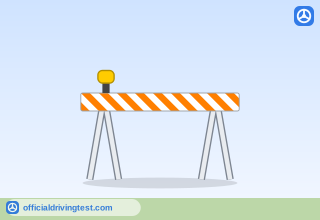
Barrier
Barrier. Barriers such as drums, cones, and tubes (panels), are used to keep traffic out of hazardous work zones. Along with signs and road markings, they help guide you safely through a work zone.
Manual page 6-9 · Open this page in the manual (Manual page 6-9)
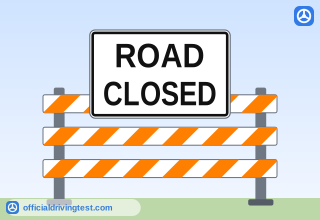
ROAD CLOSED Barricade
Road Closed. Barriers may be used to keep drivers from entering closed roads or other areas where it is dangerous to drive.
Manual page 6-9 · Open this page in the manual (Manual page 6-9)
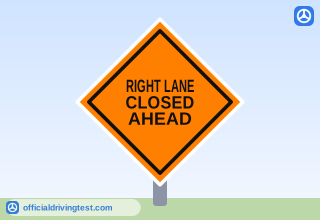
Lane Closed Ahead
When you see a “lane closed ahead” sign and traffic is backing up, stay in your current lane of traffic until you reach the point of merge. Then take turns with the other drivers to, safely and smoothly, ease into the open lane of traffic.
Manual page 7-17 · Open this page in the manual (Manual page 7-17)
MERGE LIKE A ZIPPER / Alternate When Merging
When traffic is heavy and slow, it is much safer for drivers to remain in their current traffic lane until the point where drivers can take turns merging into the open lane of traffic.
Manual page 7-17 · Open this page in the manual (Manual page 7-17)
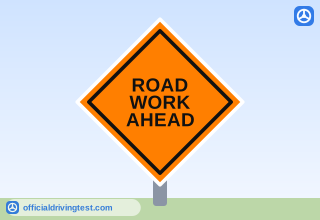
ROAD WORK AHEAD
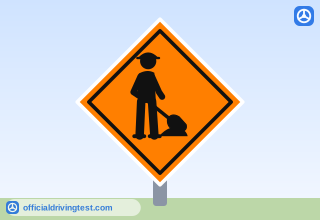
When approaching a work zone, watch for signs, cones, barrels, large vehicles, and workers. Work zone signs have orange backgrounds and black letters or symbols. Always reduce your speed in a work zone, even if there are no workers.
Manual page 11-3 · Open this page in the manual (Manual page 11-3)
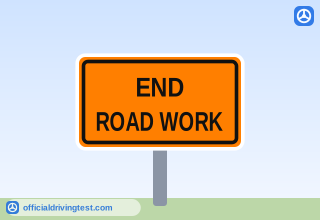
END ROAD WORK
Observe the posted work zone signs until you see “End Road Work.”
Manual page 11-4 · Open this page in the manual (Manual page 11-4)