Warning and work zone signs in Florida
The Florida Driver License Handbook shows or names everything on this page: 44 in all, on pages 47–50, 54, 57, 89.
Independent educational site · not affiliated with any government agency or DMV
Warning signs
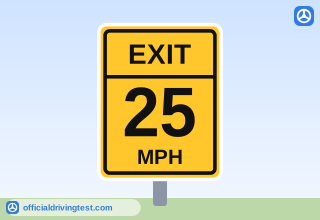
EXIT 25 MPH
Exit Speed. This sign lists the maximum safe speed for an exit ramp on an expressway. Slow down to the posted speed.
Manual page 47
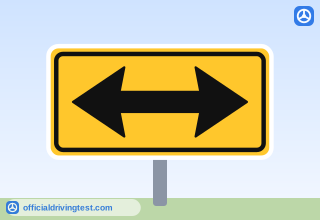
MUST TURN (double arrow)
Must Turn. You cannot go straight ahead. You must turn either to the right or left.
Manual page 48
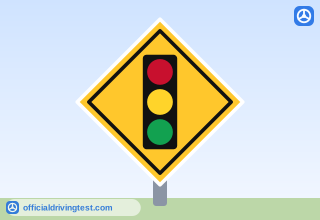
Traffic signal ahead
Traffic Signal Ahead. A traffic signal is at the intersection ahead. Slow down; poor visibility is likely.
Manual page 49
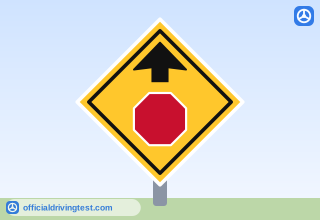
Stop sign ahead
Stop Sign Ahead. Slow down and be ready to stop at the stop sign.
Manual page 49
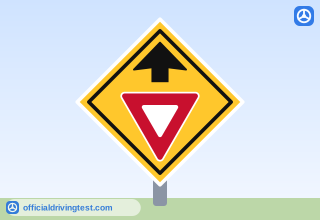
Yield ahead
Yield Ahead. Yield sign ahead. Slow down and be prepared to stop or adjust speed to traffic.
Manual page 49
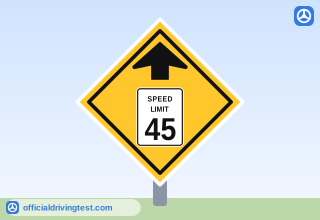
Speed reduction ahead
Speed Reduction Sign. Advance notice to upcoming speed limit change.
Manual page 49
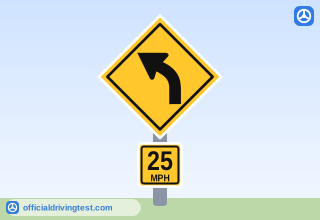
Advisory speed on a curve
Advisory Speed Sign. The fastest safe speed you should travel around the curve ahead. Advisory speed signs may be used with any warning sign.
Manual page 49
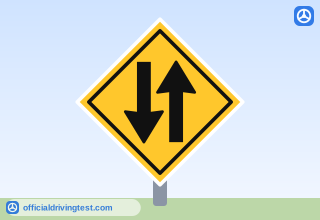
Two-way traffic ahead
Two-Way Traffic Ahead. The roadway is about to change to two-way traffic; there will be oncoming traffic.
Manual page 49
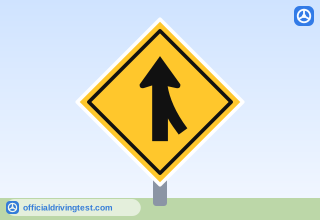
Merging traffic
Merging Traffic. Ahead another traffic lane joins the one you are on. Watch for other traffic and yield the right-of-way when necessary.
Manual page 49
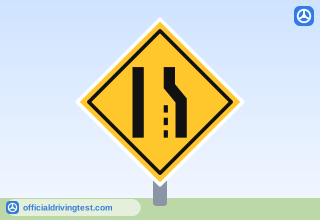
Reduction of lanes (lane ends)
Reduction of Lanes. The right lane ends and traffic must merge left. Drivers in the left lane should allow others to merge smoothly.
Manual page 49
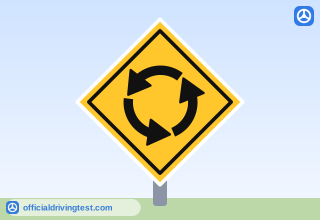
Roundabout circle
Roundabout Circle. Provides advance notice of a roundabout. Prepare to slow down and possibly yield to traffic in the roundabout.
Manual page 49
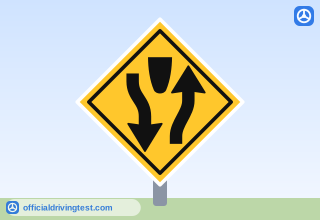
Divided highway ahead
Divided Highway Ahead. The highway ahead is divided by a median or physical barrier.
Manual page 49
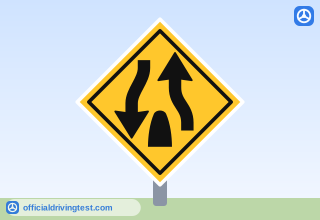
Divided highway ends
Divided Highway Ends. The divided highway ends 350 to 500 feet ahead. You will then be on a roadway with two-way traffic. Keep to the right.
Manual page 49
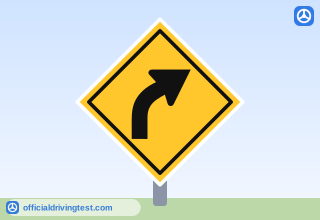
Right curve
Right Curve. The road will curve to the right. Slow your speed and do not pass other vehicles.
Manual page 49
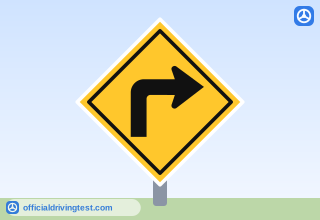
Sharp right turn
Sharp Right Turn. The road will make a sharp turn to the right. Slow your speed and do not pass other vehicles.
Manual page 49
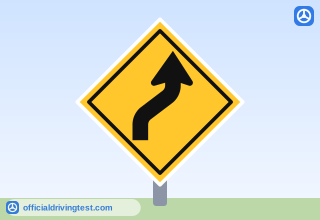
Reverse curve
Reverse Curve. The road will curve right, then to the left. Slow your speed and do not pass other vehicles.
Manual page 49
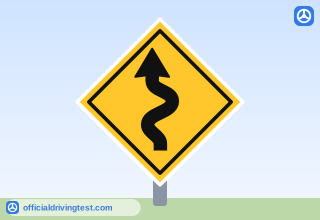
Winding road
Winding Road. There are several curves ahead. Drive slowly and carefully and do not pass other vehicles.
Manual page 49
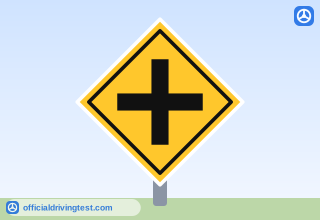
Cross road
Cross Road. A road crosses the main highway ahead. Look to the left and right for other traffic.
Manual page 49
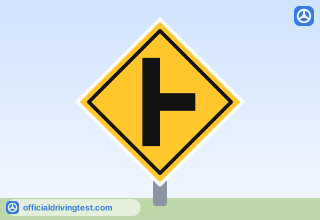
Side road
Side Road. Another road enters the highway from the direction shown. Watch for traffic from that direction.
Manual page 50
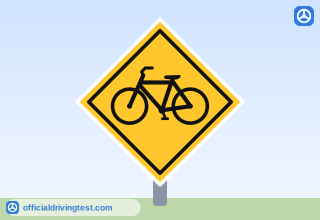
Bicycle crossing
Bicycle Crossing. A bikeway crosses the roadway ahead. Watch for bicyclists.
Manual page 50
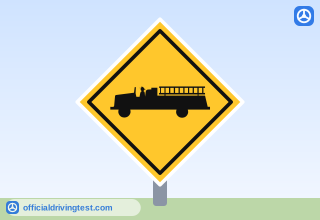
Emergency vehicle crossing
Emergency Vehicle Crossing. Watch for emergency vehicles entering or crossing the roadway.
Manual page 50
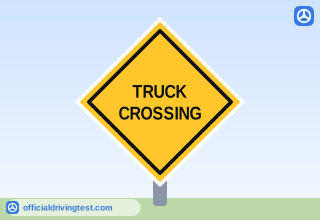
TRUCK CROSSING
Truck Crossing. Watch for trucks entering or crossing the roadway.
Manual page 50
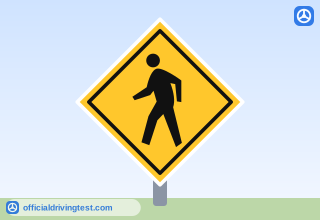
Pedestrian crossing
Pedestrian Crossing. Watch for people crossing the street. Slow down or stop to yield for pedestrians.
Manual page 50
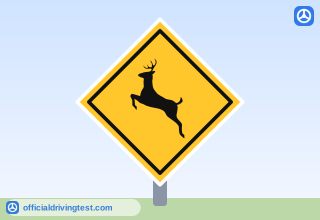
Animal (deer) crossing
Animal Crossing. The animal pictured on the sign is common in the area; watch for animals crossing the road particularly during twilight and at nighttime.
Manual page 50
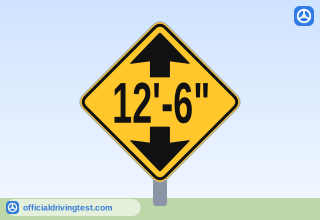
Low clearance 12'-6"
Low Clearance. Do not enter if your vehicle is taller than the height listed on the sign.
Manual page 50
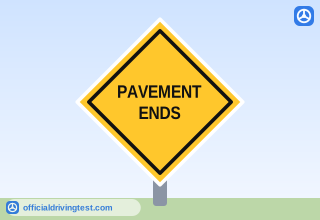
PAVEMENT ENDS
Pavement Ends. The paved surface ahead changes to a gravel or earth road.
Manual page 50
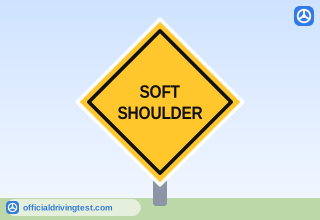
SOFT SHOULDER
Soft Shoulder. The ground on the side of the road is soft. Don't leave the pavement except in an emergency.
Manual page 50
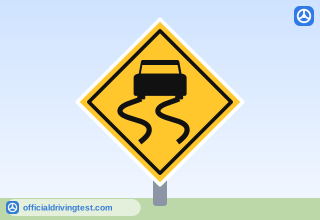
Slippery surface
Slippery Surface. In wet weather, drive slowly. Don't speed up or brake quickly. Make turns at slow speeds.
Manual page 50
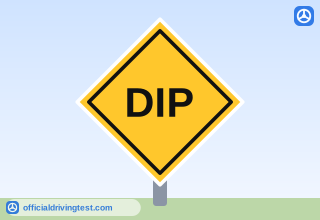
DIP
Dip. There is a low place in the road. Go slowly and be ready to stop and turn around if the dip is filled with water.
Manual page 50
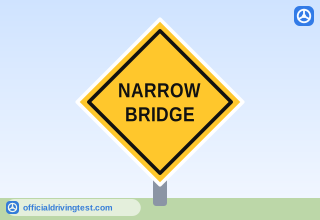
NARROW BRIDGE
Narrow Bridge. The bridge is wide enough to accommodate two lanes of traffic, but with very little clearance. Stay in your lane.
Manual page 50
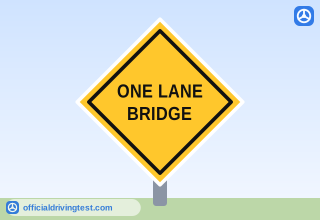
ONE LANE BRIDGE
One Lane Bridge. The bridge is wide enough for only one vehicle at a time. Make sure the bridge is clear of oncoming traffic before you cross.
Manual page 50
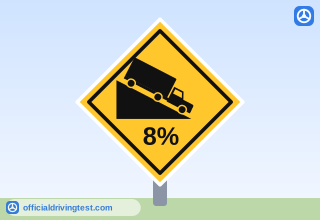
Hill / downgrade
Hill/Downgrade. The road goes downhill ahead. Slow down and be ready to shift to lower gear to control speed.
Manual page 50
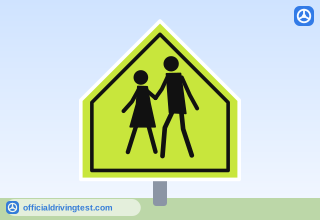
School sign
School Sign. You are near a school. Watch for children at all times, not just during school hours.
Manual page 57
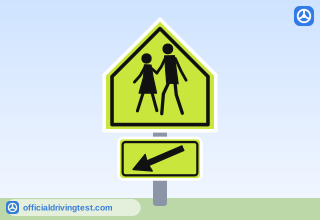
School crossing sign
School Crossing. Slow down and watch for children crossing the road. Stop if necessary. Obey signals from any crossing guards.
Manual page 57
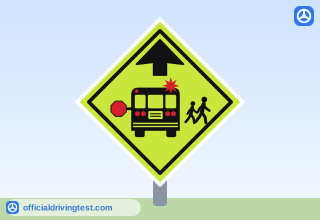
School bus stop ahead
School Bus Stop Ahead. Be prepared to stop. This sign is used to alert motorists of an upcoming school bus stop that may be unexpected or obscured by roadway geometry, such as a curve or hill.
Manual page 57
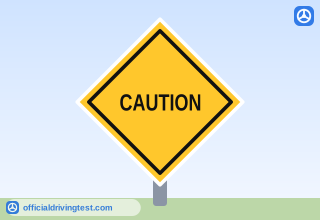
CAUTION
The manual does not state it
Manual page 89
Work zone signs
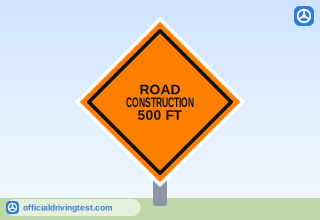
ROAD CONSTRUCTION 500 FT
Construction and Maintenance Signs. The signs—usually diamond shaped and/or orange in color—notify drivers of unusual or potentially dangerous conditions near work areas.
Manual page 54
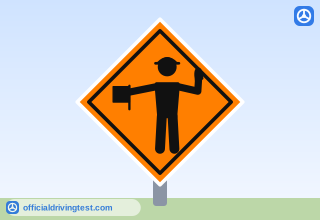
Flagger ahead
Construction and Maintenance Signs. The signs—usually diamond shaped and/or orange in color—notify drivers of unusual or potentially dangerous conditions near work areas. Flaggers. People who work in roadway construction/maintenance zones to stop, slow, or guide traffic safely through the area. Flaggers wear bright colored/fluorescent vests or jackets and use red flags or signs to direct traffic.
Manual page 54
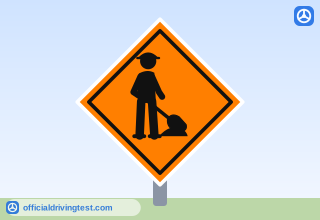
Workers ahead (digging)
Construction and Maintenance Signs. The signs—usually diamond shaped and/or orange in color—notify drivers of unusual or potentially dangerous conditions near work areas.
Manual page 54
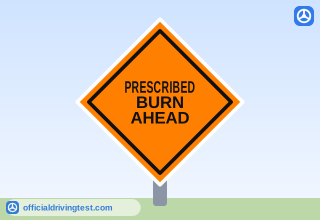
PRESCRIBED BURN AHEAD
Construction and Maintenance Signs. The signs—usually diamond shaped and/or orange in color—notify drivers of unusual or potentially dangerous conditions near work areas.
Manual page 54
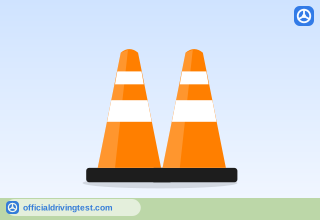
Traffic cones
Channeling Devices. These include barricades, vertical panels, drums and cones. These devices alert drivers of unusual or potentially dangerous conditions on the roadway and in work zones.
Manual page 54
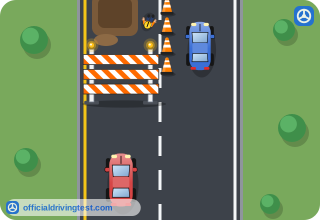
Barricade
Channeling Devices. These include barricades, vertical panels, drums and cones. ... These devices may be equipped with warning lights at nighttime and stripes on barricades and panel devices slope downward in the direction traffic must travel.
Manual page 54
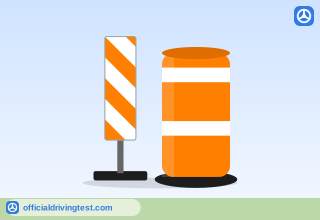
Vertical panels and drums
Channeling Devices. These include barricades, vertical panels, drums and cones. These devices may be equipped with warning lights at nighttime and stripes on barricades and panel devices slope downward in the direction traffic must travel.
Manual page 54
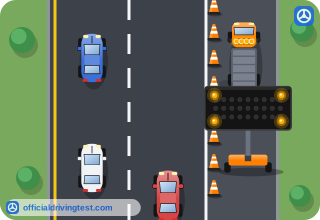
Flashing arrow panel
Flashing Arrow Panels. Used both during the day and at night to give advance warning and directional information when it is necessary to move to another lane.
Manual page 54